
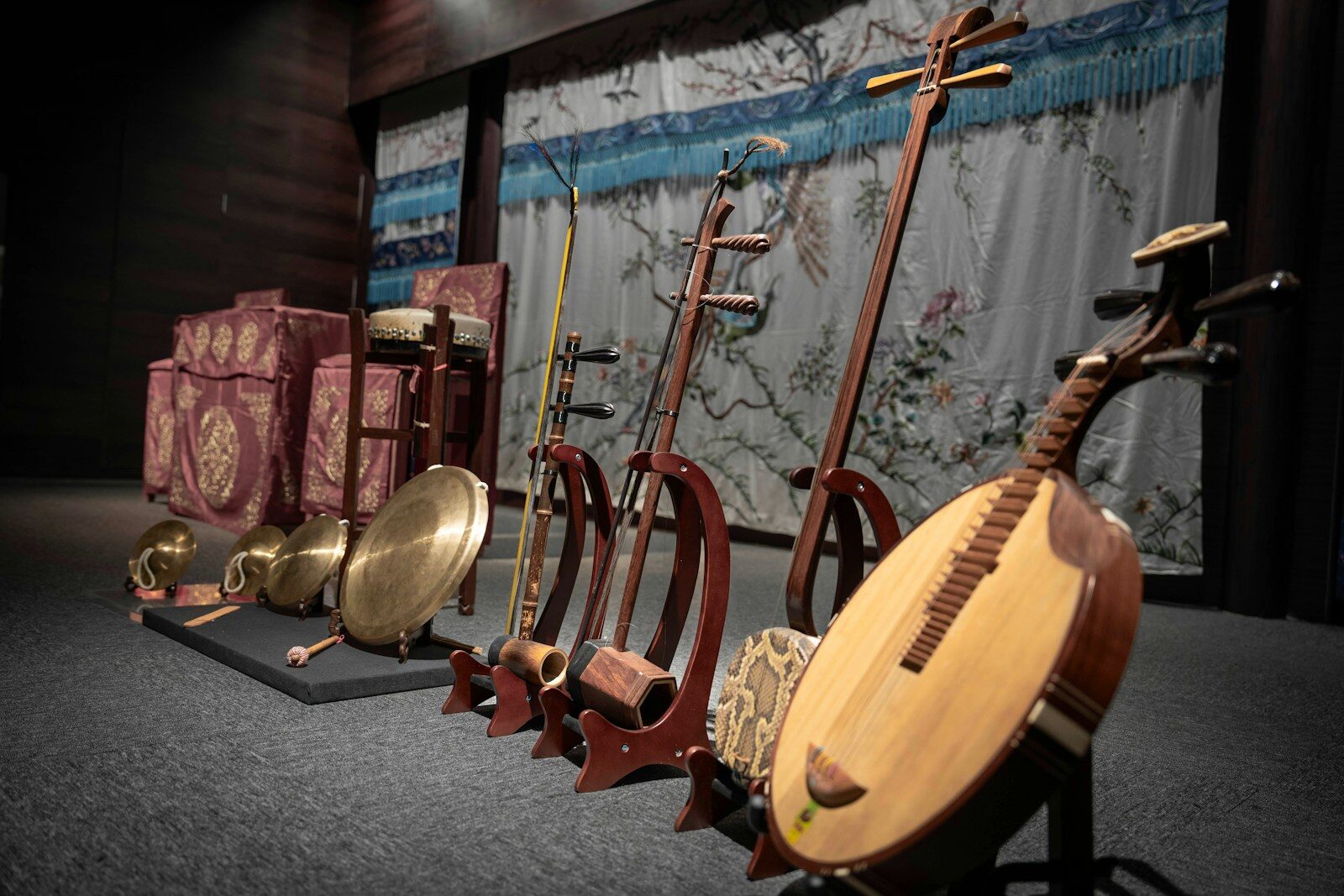
World Music History is the story of how people have created, shared, and changed music over thousands of years. Music is found in almost every human society. People have used music for celebrations, religious ceremonies, storytelling, dancing, work, communication, and entertainment.
From simple rhythms made with hands and natural objects to modern songs produced on computers, music has changed greatly. However, some basic elements have remained important: the human voice, rhythm, melody, and instruments.
The history of music is not the history of only one country or culture. Every region of the world has developed its own musical traditions. Africa, Asia, Europe, the Middle East, the Americas, and Oceania all have rich musical histories.
What Is World Music History?
World Music History means the study of music and musical traditions from different parts of the world and how they have developed over time.
Music did not develop in one single place. Different communities created their own sounds using the materials, languages, beliefs, and instruments available to them.
Some communities developed strong vocal traditions, while others became known for drums, string instruments, flutes, bells, or other instruments.
The Smithsonian’s Human Origins Program notes that making music is a universal human trait and that evidence for musical instruments goes back at least 35,000 years.
The Earliest Music in Human History
Before people had writing systems, music was passed from one generation to another through memory and practice.
Early humans probably used their voices, hands, stones, sticks, bones, shells, and other natural materials to create sounds and rhythms. We cannot know exactly what prehistoric music sounded like because most of it was never written or recorded.
However, archaeological discoveries provide evidence that humans were making musical instruments thousands of years ago.
Ancient instruments include early forms of flutes, drums, rattles, and other sound-making objects.
Music may have been connected with dancing, ceremonies, social activities, communication, and storytelling.
Music in Ancient Civilizations
As human societies developed cities and writing systems, music became more organized and documented.
Important ancient musical cultures developed in places such as:
- Mesopotamia
- Ancient Egypt
- Greece
- India
- China
- Persia
- Rome
- The Middle East
Each civilization developed its own musical ideas and instruments.
Music was often connected with religion and important public events. It could be performed during ceremonies, festivals, royal events, celebrations, and military activities.
The ancient world also allowed musical ideas to travel between different regions through trade and cultural contact.
Ancient Music in Mesopotamia
Mesopotamia, located around the Tigris and Euphrates rivers, was one of the world’s early centers of civilization.
Archaeological discoveries have found evidence of musical instruments and musical activities in the region. String instruments, drums, and other instruments were used in ancient Mesopotamian societies.
One famous discovery is the ancient lyre from the city of Ur. Such discoveries help historians understand the importance of music in ancient society.
Music was connected with religious life and royal culture.
Ancient Egyptian Music
Music was also an important part of life in ancient Egypt.
Paintings and archaeological objects show musicians playing instruments and performing for different occasions.
Ancient Egyptian instruments included harps, flutes, drums, rattles, and other string and percussion instruments.
Music was used during religious ceremonies, celebrations, dances, and other social events.
These historical sources show that musicians had an important place in Egyptian society.
Music in Ancient Greece
Ancient Greece made an important contribution to the history of Western music.
Music was closely connected with poetry, theatre, education, religion, and public life.
The Greeks used instruments such as the lyre and aulos. Music was also connected with ideas about mathematics and philosophy.
The philosopher Pythagoras is traditionally associated with the study of musical intervals and the relationship between musical sound and mathematics.
Greek ideas about music later influenced European musical thought.
Indian Music Traditions
India has one of the world’s oldest and richest musical traditions.
Indian music developed through religious, cultural, classical, folk, and regional traditions. Ancient Indian musical practices were connected with chanting, dance, drama, and spiritual life.
Over time, Indian classical music developed into major traditions including Hindustani music and Carnatic music.
Concepts such as raga and tala became important parts of Indian classical music.
Indian music also includes many folk and devotional traditions.
Chinese Music History
China has a long and diverse musical history.
Traditional Chinese music includes instruments such as the erhu, pipa, guzheng, and dizi.
Music was connected with court life, religion, philosophy, ceremonies, and entertainment.
Traditional Chinese musical systems developed over many centuries. Chinese musical instruments and ideas also traveled across Asia through trade and cultural exchange.
Music and the Silk Road
Trade routes played a major role in the movement of musical ideas.
The Silk Road connected many parts of Asia, the Middle East, and Europe. Along these routes, merchants, travelers, musicians, and craftsmen moved between different regions.
They carried instruments, musical styles, scales, rhythms, and performance techniques with them.
The Smithsonian notes that instruments and musical ideas traveled widely along Silk Road networks. For example, related forms of short-necked lutes developed across Central Asia, the Middle East, Europe, China, and Japan.
This is an important part of world music history because it shows that musical traditions have never been completely isolated.
Medieval Music
During the medieval period, music continued to develop across Europe, Asia, Africa, and the Middle East.
In Europe, religious music played an important role. Gregorian chant became an important part of Western Christian musical tradition.
Over time, European composers developed more complex forms of music, including polyphony, in which multiple melodic lines are performed together.
Elsewhere, rich musical traditions continued to develop in Islamic societies, India, China, Japan, Africa, and other regions.
Music was also closely connected with poetry, storytelling, religion, and court culture.
The Renaissance and Baroque Periods
In Europe, the Renaissance brought major changes to music.
Composers became increasingly interested in vocal harmony, instrumental music, and more complex musical structures.
Later, during the Baroque period, composers such as Johann Sebastian Bach, George Frideric Handel, and Antonio Vivaldi became important figures.
Opera also developed into a major musical form.
These developments eventually influenced the later history of Western classical music.
The Rise of Classical Music
During the 18th and 19th centuries, European classical music developed many important forms.
Symphonies, concertos, sonatas, chamber music, and operas became major musical forms.
Composers such as Mozart, Beethoven, Schubert, Chopin, and Tchaikovsky became internationally famous.
However, it is important to remember that classical music was only one part of global music history. During the same periods, traditional and popular musical cultures were developing across Africa, Asia, the Americas, and the Middle East.
African Music Traditions
Africa has an enormous variety of musical traditions.
Music is often closely connected with dancing, storytelling, ceremonies, community events, and daily life.
Rhythm and percussion are especially important in many African musical traditions, although African music includes a wide range of vocal and instrumental styles.
African musical traditions later had a major influence on several forms of music in the Americas, including blues, jazz, gospel, rock, and many popular music styles.
The Development of Jazz
Jazz developed in the United States in the late 19th and early 20th centuries, particularly within African American communities.
It brought together influences from African American musical traditions, blues, ragtime, spirituals, and other musical cultures.
Jazz became known for improvisation, rhythm, and creative interaction between musicians.
Over the 20th century, jazz developed into many different styles, including swing, bebop, cool jazz, hard bop, and fusion.
Blues, Rock, and Pop Music
The blues played an important role in the development of modern popular music.
Blues traditions influenced jazz, rhythm and blues, rock and roll, and many later genres.
Rock and roll became widely popular in the United States during the 1950s. Artists and bands later developed many forms of rock music.
By the second half of the 20th century, pop music had become a major global industry.
Radio, television, records, and later music videos helped songs travel quickly across national borders.
The Impact of Sound Recording
One of the biggest changes in World Music History came from sound recording.
Before recording technology, people usually had to hear music live or learn it directly from other people.
Sound recording changed this completely.
People could now listen to music repeatedly, preserve performances, and share music across long distances.
The Smithsonian explains that sound recording made it possible to study unfamiliar musical traditions in new ways and contributed to the development of comparative musicology around the beginning of the 20th century.
Music in the Digital Age
Today, technology has changed music once again.
Music can now be recorded, edited, produced, distributed, and streamed digitally.
Platforms such as streaming services and social media allow musicians to reach listeners around the world without depending only on traditional record companies.
Modern music often combines sounds from different cultures.
For example, a modern song may mix African rhythms, Indian instruments, Western pop production, electronic sounds, and Latin American rhythms.
This global exchange is one of the most visible features of music today.
Interesting World Music History Facts
Here are some simple music history facts:
- Music is extremely ancient. Evidence suggests humans were making musical instruments at least 35,000 years ago.
- Music exists across cultures. Every major region of the world has developed its own musical traditions.
- The human voice is one of the oldest musical tools.
- Ancient music was often connected with religion and ceremonies.
- Trade routes helped musical instruments travel between cultures.
- The Silk Road helped connect musical traditions across Asia and beyond.
- Sound recording changed how people studied and shared music.
- Jazz developed from several musical influences, including African American musical traditions and blues.
- Modern music often combines different cultural traditions.
- Traditional music is still important today. UNESCO’s traditional music collection contains recordings representing music from more than 70 nations.
Why Is World Music History Important?
Studying World Music History helps us understand people and cultures.
Music can tell us about a society’s beliefs, language, history, celebrations, struggles, and daily life.
It also shows how cultures influence one another.
An instrument may travel from one region to another. A rhythm may become part of a new musical style. A traditional song may inspire a modern artist.
Music history therefore shows that cultures can maintain their own identities while also exchanging ideas.
The Future of World Music
The future of music is likely to be even more connected.
Digital technology allows musicians from different countries to work together without being in the same place. A singer in one country can collaborate with a producer on another continent and share the finished song with listeners around the world.
At the same time, traditional music continues to be preserved through recordings, archives, festivals, schools, museums, and cultural organizations.
The Smithsonian’s UNESCO Collection of Traditional Music contains recordings from more than 70 nations and represents a large part of the world’s musical diversity.
Conclusion
World Music History is a long story of human creativity and cultural exchange.
From prehistoric instruments to ancient civilizations, from traditional folk songs to classical music, jazz, rock, pop, and digital music, people have always found ways to create and share sound.
Music has traveled through migration, trade, religion, festivals, recordings, radio, television, and the internet.
The most interesting part of music history is that it is always changing. Old traditions continue to survive while new styles appear.
By learning about the history of music around the world, we can better understand the cultures and people who created it.
Frequently Asked Questions
What is World Music History?
World Music History is the study of how music developed in different cultures and regions around the world over time.
How old is music?
Evidence from archaeology shows that humans were making musical instruments at least 35,000 years ago.
Where did music begin?
There is no single known birthplace of music. Music developed independently and through cultural exchange in many human communities.
What was music used for in ancient times?
Ancient music was used for ceremonies, religion, dancing, storytelling, celebrations, entertainment, and other social activities.
How did the Silk Road affect music?
The Silk Road helped people, instruments, and musical ideas move between Central Asia, the Middle East, Europe, India, China, and other regions.
Why was sound recording important?
Sound recording allowed people to preserve performances, listen to music repeatedly, and study musical traditions from distant cultures.
What is world music today?
Today, the term can refer broadly to traditional and popular music from different cultures, as well as music that combines influences from multiple parts of the world.
- Smithsonian Human Origins – Art & Music — Information about early human music and musical instruments.
- Smithsonian – Music and Musicians Along the Silk Road — Useful information about the movement of instruments and musical ideas.
- Smithsonian Folkways – UNESCO Collection of Traditional Music — Recordings representing traditional music from more than 70 nations.
- Smithsonian – UNESCO Collection Archives — Historical information and recordings from the UNESCO collection.
[…] Music can be simple or complex. A person singing alone can create music, while a large orchestra can use dozens of instruments at the same time. Modern electronic music can also create sounds using computers and digital technology. […]